Europa Nostra participates in the 48th Session of the World Heritage Committee in Busan, Republic of Korea
The 48th Session of the World Heritage Committee was held from 19 to 29 July 2026 at BEXCO in Busan, Republic of Korea. The session brought together delegates, institutions and heritage experts from around the world to review the state of conservation of UNESCO World Heritage properties and to consider new nominations.
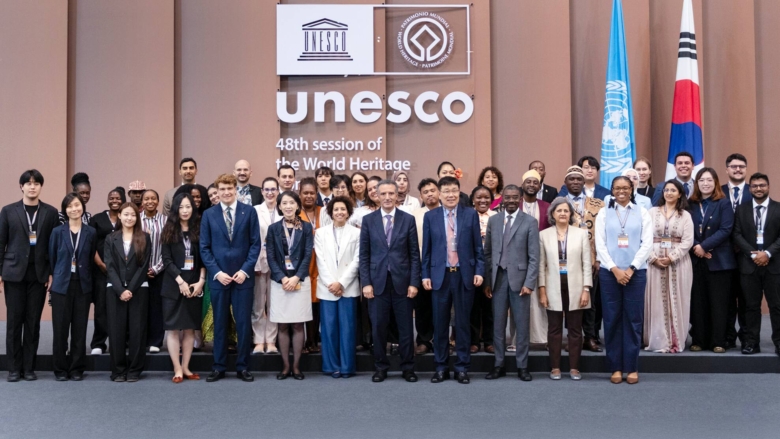
Photo credit: UNESCO
Europa Nostra was represented at the session by its Council Member Claus-Peter Echter, who had also attended Committee meetings in Istanbul (2016), Kraków (2017), Manama (2018) and Riyadh (2023). The Busan session was a valuable opportunity to continue Europa Nostra’s engagement within the World Heritage community.

Photo credit: Europa Nostra
The Committee concluded its work with the inscription of 25 new sites on the UNESCO World Heritage List. Particularly encouraging was the first-ever inscription of sites from Comoros, São Tomé and Príncipe, and South Sudan, contributing to a more balanced and representative World Heritage List.
For Germany, an important outcome was the extension of the World Heritage property Berlin Modernist Housing Estates to include the Waldsiedlung Zehlendorf (Zehlendorf Forest Estate). This decision further recognises the significance of Berlin’s outstanding modernist housing heritage.
One of the most intensively debated issues was the Historic Centre of Vienna, Austria, selected by Europa Nostra in its 7 Most Endangered Programme in 2018. Contrary to the recommendations of UNESCO and ICOMOS to retain the property on the List of World Heritage in Danger, the World Heritage Committee decided to remove it from the List. The controversial Heumarkt high-rise development was central to the discussion.
Regarding other sites selected by Europa Nostra as part of its 7 Most Endangered Programme, we may also note:
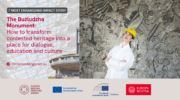
– Roșia Montană Mining Landscape, Romania (selected in 2013), was retained on the List of World Heritage in Danger.
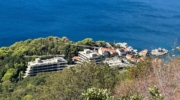
– Venice and its Lagoon, Italy (selected in 2016), the Committee requested the State Party to submit to the World Heritage Center, by 1 February 2027, an updated report on the state of conservation of the property and the implementation of its recommendations.
– Decani Monastery, Kosovo* (selected in 2021), included in the Medieval Monuments in Kosovo inscribed on the World Heritage List, the Committee decided to adjourn the debate until its next ordinary session.
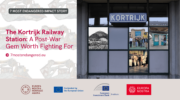
– Victoria Towers Garden, United Kingdom (selected in 2025), included in the Palace of Westminster and Westminster Abbey inscribed on the World Heritage List, the Committee requested that the State Party invite an advisory mission to the property.
The Committee’s decisions can be found in full at: https://whc.unesco.org/document/226969
Report by Claus-Peter Echter
Council Member of Europa Nostra, Vice-President Europa Nostra Germany
Impressions from the Session
The 48th Session was an inspiring and memorable experience, although the quality of the formal discussions was uneven. In particular, the examination of State of Conservation Reports was often controversial and at times lacked the clarity and consistency that one might expect from a major international decision-making forum. To a lesser extent, this also applied to discussions of nominations for inscription on the World Heritage List.
By contrast, the opening and closing ceremonies were highly atmospheric, and the numerous side events provided particularly stimulating opportunities for professional exchange, fresh perspectives and discussion of current challenges facing World Heritage.
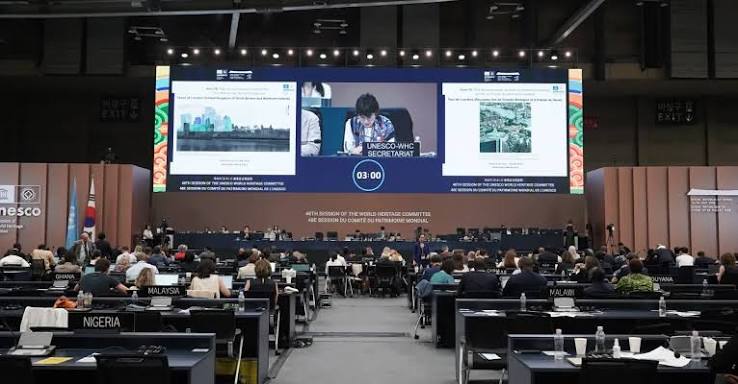
Photo credit: UNESCO
Particularly Noteworthy Side Events
– From Risk to Resilience: World Heritage in a Changing World – Lithuania, Candidate to the World Heritage Committee 2027-2031
– AI for World Heritage: Transforming Preservation for the Future – China Heritage Organisations
– Heritage in Action for Sustainable Development – WHITR-AP Shanghai and partners
– Understanding Attributes of Outstanding Universal Value through Case Studies in the Chinese Context – ICOMOS
– Defences of Peace – Our Enduring Heritage Odyssey: Toward Justice and Dignity – Republic of Korea
Taken together, these events demonstrated the breadth of current World Heritage concerns: resilience in the face of change, sustainable development, artificial intelligence, a deeper understanding of Outstanding Universal Value, and the potential contribution of heritage cooperation to peace, justice and dignity.
Overall Assessment
What I found particularly encouraging was the diversity of perspectives represented at the session and the willingness to explore how World Heritage can respond to the profound changes shaping our societies and our environment. The discussions around climate resilience, sustainable development and digital technologies, including AI, point to an increasingly broad understanding of the challenges facing heritage protection.
Beyond the formal agenda, the many conversations and exchanges with colleagues, friends and heritage professionals from different parts of the world were among the most valuable aspects of the session. They once again demonstrated that international cooperation, mutual understanding and professional friendship are among the greatest strengths of the World Heritage community.
* This designation is without prejudice to positions on status, and is in line with UNSCR 1244/1999 and the ICJ Opinion on the Kosovo declaration of independence.