Inclusive European Heritage Residency 2026 in Malta: peer learning in practice
From 13 to 19 September, Malta’s rich cultural heritage took centre stage during the second Inclusive European Heritage Residency, bringing together 10 selected participants from across Europe for peer learning activities and exchanges with dozens of volunteers and professionals from Din l-Art Helwa – the National Trust for Malta, as well as professionals from Europa Nostra and INTO.
The Residency aimed to strengthen the capacity and connections of heritage organisations across Europe, supporting more inclusive, sustainable and community-led approaches to heritage protection. The Residency was organised in the framework of the network project Europa Nostra Heritage Agora, co-funded by the Creative Europe Programme of the European Union.

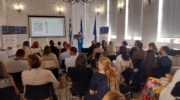
The week-long programme began at the headquarters of Din l-Art Helwa with a presentation by the Executive President Patrick Calleja, who outlined the organisation’s work from its foundation in 1965 to the present day. The second module related to major advocacy and environmental campaigns which were jointly presented by the President and Petra Caruana Dingli. Governance and administration was explained by the Treasurer Martin Galea and the Secretary General Anthony Guillaumier, who focused on the organisation of the Trust and transparency in the running of an NGO. These introductory modules helped participants understand how a heritage organisation’s history, institutional structures and strategic choices shape its ability to sustain its work and respond to emerging challenges. For over 60 years, Din l-Art Ħelwa has protected Malta’s heritage, through restoration, advocacy and public engagement. The volunteer-driven organisation won both a European Heritage Award / Europa Nostra Award and a Grand Prix in the category Heritage Champions in 2026.
All participants in the Residency also presented their own work and exchanged experiences by having discussions and sharing best practices.
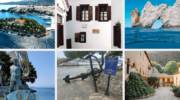
Presentations and activities took place every day of the week at the sites in the guardianship of the National Trust of Malta. These were:
– Majjistral Park
– Our Lady of Victory Church in Valletta
– St Agatha’s Tower (the Red Tower)
– The White Tower in Mellieħa
– British Barracks at Fort Chambray in Gozo (7 Most Endangered site in 2026)
– Dwejra Tower in Gozo
– Isopu Tower and proposed park in Gozo
– Chapel of Bir Miftuh
– Msida Bastion Cemetery
The visits connected the discussions with the realities of heritage stewardship, demonstrating the diversity of sites, management approaches and conservation challenges encountered by heritage organisations like Din l-Art Helwa.
Majjistral Park, Malta’s first Nature and History Park, was established in 2007 following a campaign by Din l-Art Ħelwa and other NGO’s. Its master plan links heritage conservation of late-1930s British military barracks with education, public access and environmental stewardship.
Participants also visited the British Barracks at Fort Chambray in Gozo, which were selected as one of the 7 Most Endangered heritage sites in Europe in 2026 by Europa Nostra, an important support that is helping the campaign reach its aim of preserving the site from intensive residential and hotel development. The visit highlighted the importance of combining local mobilisation with European advocacy and visibility to support the protection of endangered heritage sites.
The many examples presented by the volunteers of Din l-Art Helwa led to exchanges of best practices on many aspects of heritage preservation and management, such as funding, communication, administration and campaigning, engaging the media and the public at large.

Simone Mizzi and the volunteers involved in the restoration of Our Lady of Victory Church also presented their work. Our Lady of Victory Church is Valletta’ oldest church dating from 1566 and welcomes visitors coming to the city every day.
The Minister for Arts, Culture and National Heritage Malcolm Paul Agius Galea took the time to greet the participants of the Residency during the final lunch hosted at Casino Maltese in the presence of the social club’s President Prof. Keith Sciberras and the former mayor of Valletta Dr Paul Borg Oliver.
The Residency provided an opportunity to strengthen the connections between heritage organisations across Europe and to reflect on the different contexts in which they operate. By bringing together organisations with diverse experiences and perspectives, it fostered mutual understanding, solidarity and the foundations for future cooperation. Such initiatives are essential to strengthening the European heritage movement as a network of active and connected civil society organisations, able to support one another and contribute to the future of heritage in Europe.